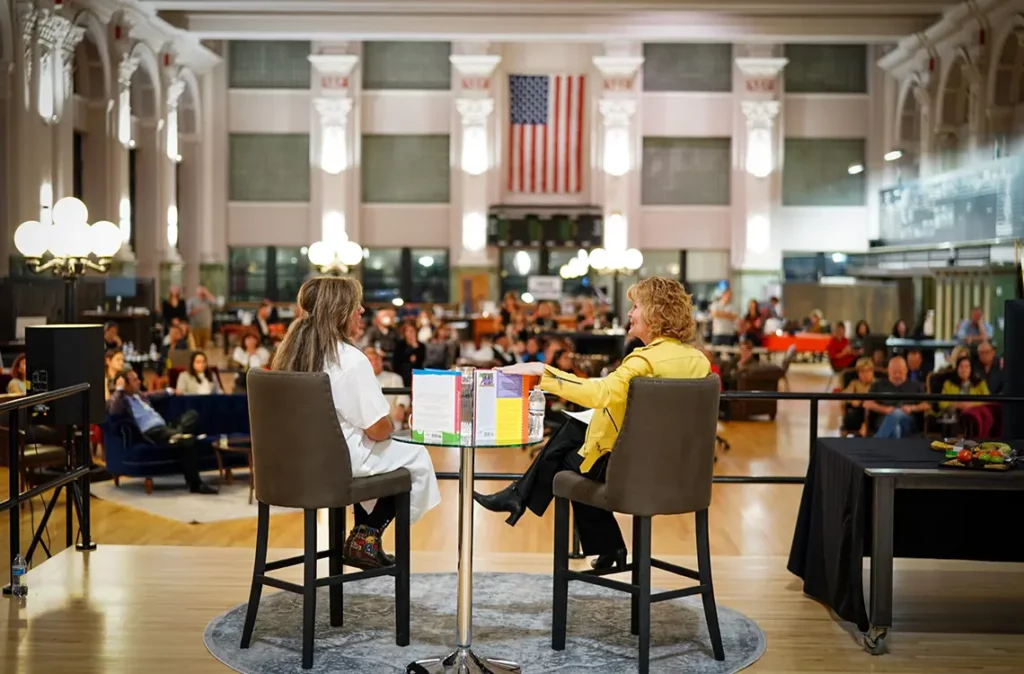
In just the past two months we’ve been fortunate to be able to host four “unconferences” at CoCo. It started in June with fontconf, an event devoted entirely to digital typography. Then in July came UnSummit, an event with a focus somewhere in the vicinity of marketing and technology. Finally, we had Real Food Minnesota, which tried to bring together growers, chefs, food bloggers to talk about organic, local and sustainable food movement. These events were great successes in their own rights.
Now we’ve been asked to host two, possibly three additional unconferences. Which is nothing but good news. What better home for unconferences than CoCo?
So, bring it! Do you have an idea for a unconference? Please let us know. We want to be the home base for unconferences in the Twin Cities. We’re happy to make our space available (on a DIY basis) on weekends or evenings. If your idea needs some development, we can help you think it through. And when your unconference is ready for prime time, we’ll help you get the word out.
We do have some thoughts and questions, however, about the future of the unconference format in Minnesota.
Attending a true unconference takes a bigger leap of faith than many of us are used to. The way it works is that an unconference is organized around a central question, like “What’s the future of public transportation in Minnesota?” But no agenda is determined or published before the event. Instead, the agenda is crowdsourced (often by an experienced facilitator) on the day of the event, as participants identify the discussions they’d like to have in response to the central question. And did we mention, there are no presenters? There are definitely discussions. Lots of energetic discussions. But no presenters.
So, there’s the difference: the whole model of an unconference is based on everyone answering the big questions themselves, whereas a traditional conference model is based on everyone listening, often quite passively, to a few peoples’ conclusions. It’s centralized planning versus democracy.
It’s interesting to note that fontconf, UnSummit and Real Food weren’t true unconferences. They split the difference between conference and unconference formats. They crowdsourced the agenda and then published it beforehand, so that attendees knew what they were getting into. In the case of UnSummit and Real Food Minnesota, this wasn’t the organizers’ first instinct. Both conferences tried going all-out “un.” But as time progressed, they were worried that attendance would be too light if people didn’t know ahead of time what would actually be discussed and who would be leading the discussions.
So, it would appear we haven’t quite embraced “un” yet. To be sure, we all seem to have enjoyed the loosely structured and participatory nature of the unconferences we have had. But most of us are yet to experience the full, democratic power of a true unconference.
If you’re an organizer, part of the trick is to let yourself off the hook for making the meeting what you think will constitute a success. One of the principles of an unconference is that whomever shows up is who was meant to show up. Another one is that whatever is discussed is what was meant to be discussed. This isn’t just New-Age hippyspeak. It’s about stopping yourself from trying to engineer an outcome (lots of attendees, big-name speakers, etc.). Instead, the goal is to get out of the way so that attendees can create a successful event through their participation. This is one reason why unconferences want to be free (or close to free).
So, who wants to do a full-gonzo, no-holds-barred unconference? It’s certainly not a requirement for holding your conference at CoCo. But it would be great fun, a great learning experience – and potentially a way more powerful experience. Will you be the first one to give it a try?
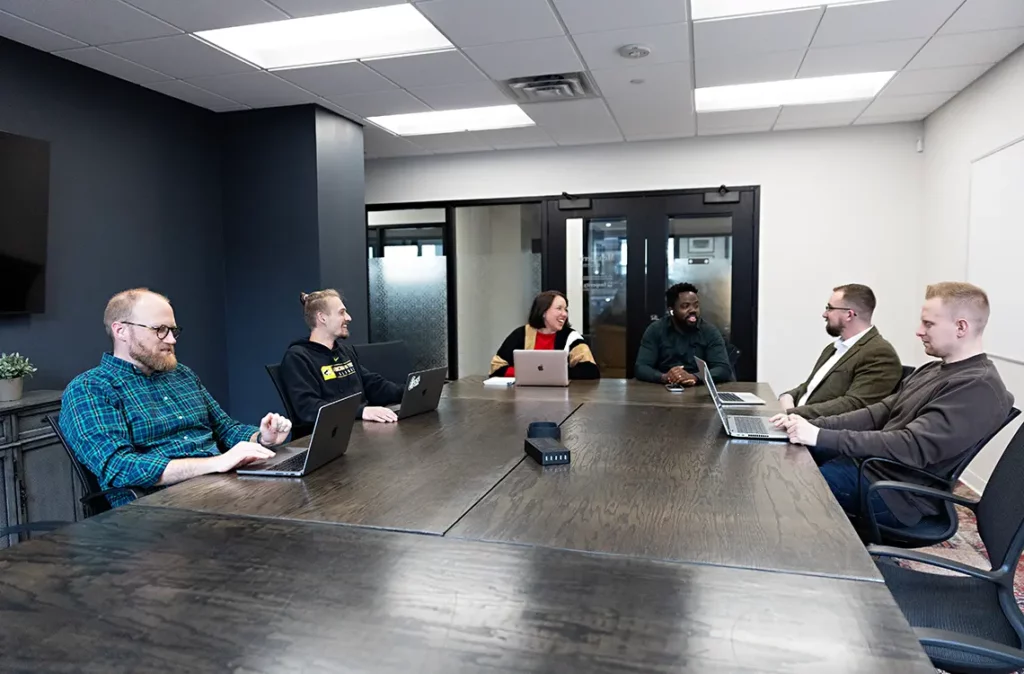
Creative commons photo by richard winchell


Barcamps are always great. I’ve been to a few in Miami, Orlando, and elsewhere, and they are always a great time. More barcamp info is here: http://barcamp.org/
Follow up comment after an in-person chat with Toby Cryns: cost structure is a key component in organizing an unconference. If you are not paying for a hotel ballroom, a caterer and for out-of-town speakers, then you can afford to measure success in some way other than attendance numbers and take at the door.
That’s where CoCo (or other collab spaces, restaurants, bars) can really help. We make our space available to unconferences at no cost. For lunch, you can just have everyone pitch in $10 for pizza, or, as fontconf did, direct everyone to a local lunch venue. Problem solved. You just held an unconference on a zero-cost basis. Nobody loses any money if only 10 people show up.
great post Don. For World Usability Day (UPA) we may just try and go ‘UN’ this year.
I have only attended one true unconference and I lived it. We really did set the agenda on the spot and even voted on session. It was a bar camp.
I am not an organizer of anything but. . I am wondering how a digital photography conference might work. There is so much technology, so many types of cameras like the cameras in our phones and so many things to do with photos. There is almost an endless list of topics around the topic of digital photography. Hdr photography, photo blogging, lens, equipment, photographers rites, photo theft, photo sharing sites and the list goes on. Coco would be a perfect place for such a conference. . . . hmmmmm
LOL a little type in that last comment. I loved the real un conference I went to. I am going to talk to some of my photog buds about the idea. If anyone reading this is interested you can find me through my blogs or google
Future business models for content creators.
I’ll gladly organize this one because its where too many talks about content end with a big question mark.
There has been much hand-wringing and complaining about free riding on the net, the need to sell t-shirts instead of selling music, blogs ripping off newspapers, needing to rely on advertising, children being sued for copyright infringement, etc.
The most people might agree on a few things, namely: we need to pay creators and we don’t have enough good ideas about how to do that.
I would like to gather some people to talk about how to build workable business models going forward for writers, software developers, musicians, artists and others. I’m coming at this from a legal perspective, but I know there have been others who have been thinking about this problem too. You all probably have better ideas about this than I do.
Any takers?
I would like to plan a music unconference at CoCo this fall. Interested in helping? Hit me up on Twitter @themightymo
http://cocomsp.com/2010/07/unconference-a-call-to-action/
I would be interested in helping organize an unconference around the question “What works best in SEO?” Discussions might include effective SEO for local businesses vs. effective SEO for businesses seeking national customers. Anyone interested in this topic? Anyone want to pitch in on a team to organize and promote it?